Nullam dignissim, ante scelerisque the is euismod fermentum odio sem semper the is erat, a feugiat leo urna eget eros. Duis Aenean a imperdiet risus.
Nullam dignissim, ante scelerisque the is euismod fermentum odio sem semper the is erat, a feugiat leo urna eget eros. Duis Aenean a imperdiet risus.
 author

For equipment expected to remain in production or service for years, display supply should be planned before the first production order, not after a panel becomes difficult to source. The risk is not limited to the LCD itself: touch controllers, cover glass, backlights, FPCs, connectors, and driver boards can all affect whether the same assembly can be built later. Purchasing managers and engineers therefore need an early lifecycle plan covering support period, vulnerable parts, replacement evidence, forecasts, and change notices.
The first question is not how long one LCD model will remain available, because that cannot be guaranteed. Buyers need to define how long the equipment itself must remain buildable and serviceable, then decide what display changes the design can tolerate.
A machine may leave production while installed units still require spare parts. Purchasing should therefore distinguish production life from service life, because long support obligations require a different sourcing plan from frequently redesigned products.
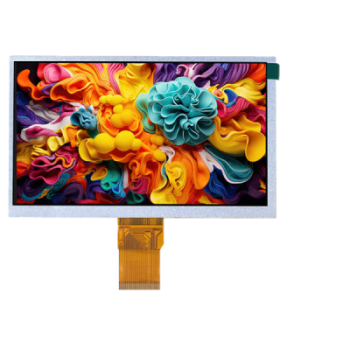
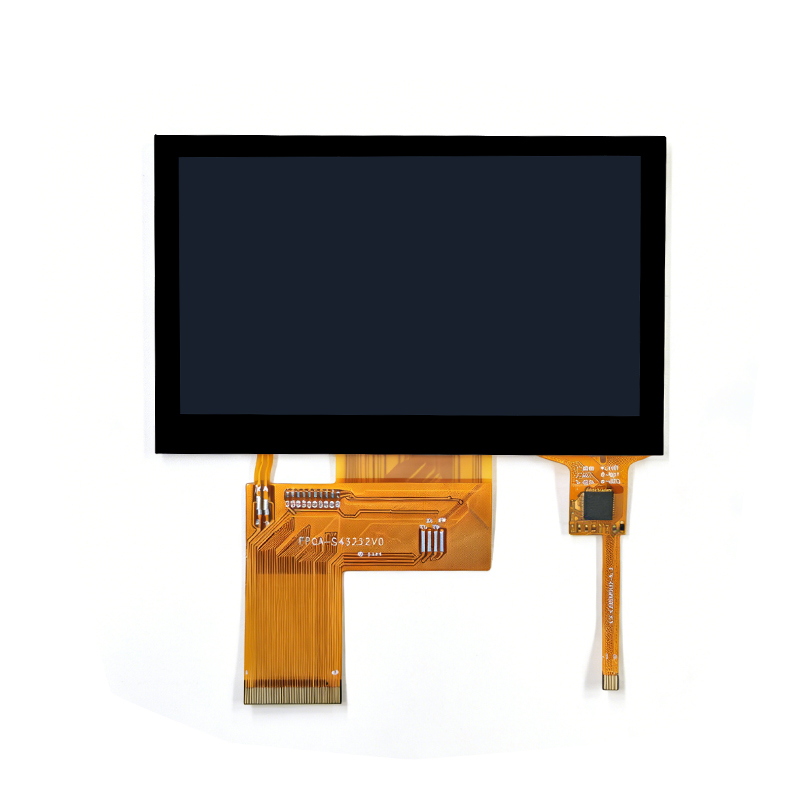
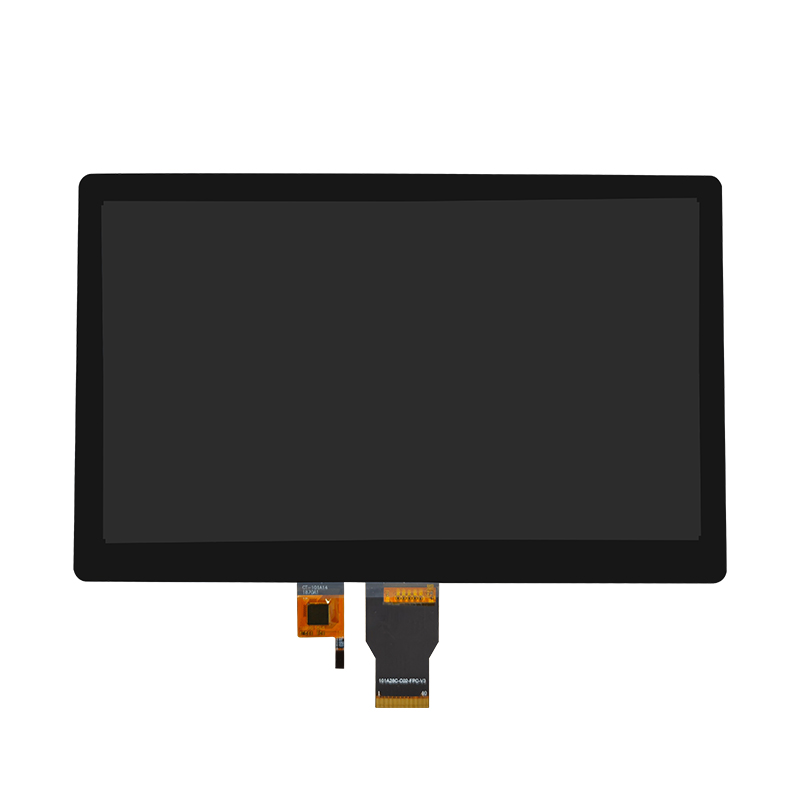
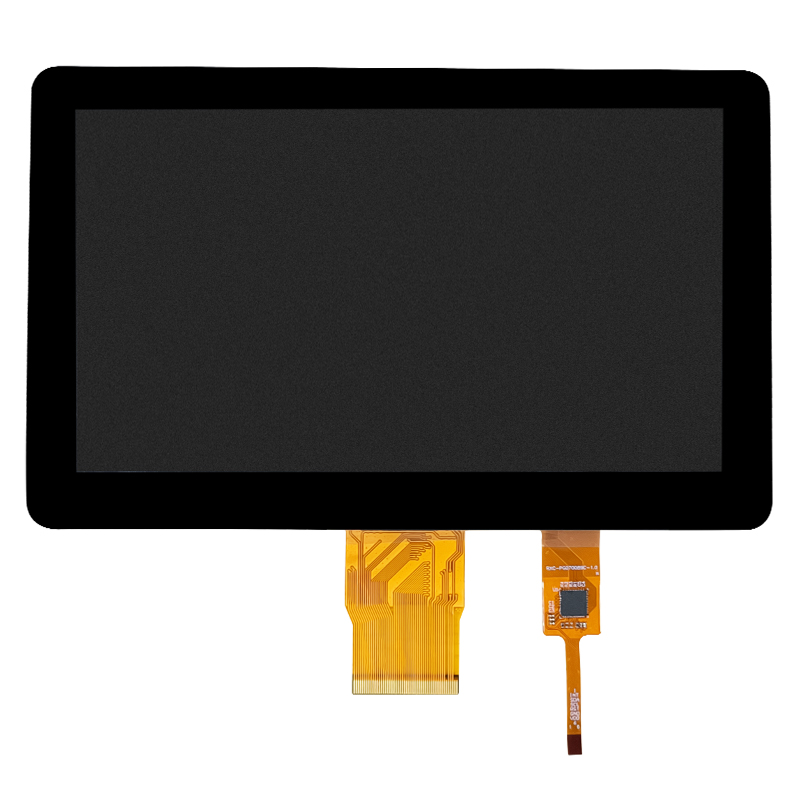
The team should also record which display characteristics are fixed. Mechanical outline, active area, interface, FPC position, connector, brightness, viewing direction, touch structure, and cover-glass geometry may all affect compatibility. Reviewing a TFT LCD display category or monochrome LCD category can help frame available options, but lifecycle planning starts with the equipment requirements that cannot move.
A display purchased under one part number may depend on several components with different suppliers and change cycles. Buyers therefore need visibility below the top-level assembly.
| Component | Main Continuity Risk | What Buyers Should Lock Early |
|---|---|---|
| LCD panel | Availability, outline, interface, optics | Drawing and electrical specification |
| Backlight | Brightness, current, thickness | Optical target and power limits |
| Touch system | Sensor or controller changes | Touch stack and interface |
| Cover glass | Size, printing, holes, coating | Controlled mechanical drawing |
| FPC/cable | Pinout, connector, bend path | Pin definition and routing limits |
| Driver board | Component or firmware revision | Input/output and version requirements |
A small substitution can affect more than one system. A backlight change, for example, may leave image size unchanged but alter current draw, brightness, thermal behavior, or enclosure clearance. Projects delivered as a display assembly need the same component-level review, with continuity managed through drawings and BOM control rather than only by the finished assembly name.
Replacement work becomes harder when the approval package is incomplete. If interface details, acceptance limits, and mechanical constraints are scattered across emails, engineering may have to reconstruct the original design intent before comparing an alternate.
The baseline should include the approved drawing, active area, interface and timing, voltage and backlight requirements, connector and pinout, optical acceptance criteria, touch configuration where applicable, and any mounting restrictions that affect fit.
It is also useful to record why a requirement exists. A brightness target means more when the viewing condition that created it is known, while a connector location may be critical because of a fixed cable path. Where a controller is part of the architecture, the solution board category is a reminder that replacement may also involve firmware, timing, cabling, and power behavior. A complete baseline makes compatibility testable.
Lifecycle planning does not mean buying several years of stock immediately. Excess inventory creates risk, while too little visibility leaves procurement reacting too late.
Purchasing should know expected annual demand, service demand, acceptable inventory exposure, and the time engineering would need to qualify an alternate. Those inputs help determine whether a buffer is justified and how much coverage is reasonable.
The team should also define what happens when a change notice arrives. A revision affecting form, fit, function, firmware, or optical appearance needs a different review from an internal material change that leaves the approved specification unchanged. A simple lifecycle checkpoint can be added to purchasing reviews: confirm forecast, review substitutions, check remaining custom material, and identify any component that has become single-source.
Long-life projects are easier to manage when both sides know what requires approval and how changes will be communicated. Change control should be agreed before a shortage or discontinuation notice appears.
Before production release, buyers should confirm who controls the final drawing and BOM, how substitutions are reported, what evidence accompanies an alternate, and which tests must be repeated. Custom parts, tooling, firmware versions, and remaining dedicated materials should also be traceable to a defined revision.
Not every change needs full requalification. A connector-source change that leaves approved form, fit, and electrical performance unchanged may need less work than a panel replacement with different timing or dimensions. For long-service equipment, procurement should also discuss last-time-buy handling, ownership of unused custom material, and the practical lead time for alternate evaluation.

Dongguan SR Optoelectronics Technology Co., LTD. develops small- and medium-size LCD modules for equipment applications, including TFT display modules, monochrome displays, solution boards, and integrated assemblies. Project work can cover requirement review, interface coordination, touch and cover-glass integration, sample verification, and small-batch production. For long-life equipment, the practical focus is how approved drawings, BOMs, custom materials, and possible alternates will be controlled rather than assuming one panel will remain unchanged indefinitely. The company’s service capabilities support technical and production coordination before repeat orders begin, helping buyers clarify which specifications are fixed and which changes would require review or revalidation.
Display lifecycle risk is easier to control when purchasing and engineering define it before production begins. Buyers should establish the required support period, identify vulnerable component layers, preserve a complete replacement baseline, review forecast and buffer decisions regularly, and agree on change control with the supplier. No plan can guarantee that every component will remain available throughout the equipment life, but clear specifications and approval rules make substitutions faster to evaluate and reduce the chance that a supply change becomes an emergency redesign.
It should begin during display selection, before the production design is frozen. At that point, engineering can still document critical dimensions, interfaces, optical requirements, and acceptable alternatives without reconstructing the original reasoning later.
Not automatically. Large inventory creates cash, storage, aging, and forecast risks. Buffer quantity should reflect expected demand, supplier visibility, alternate qualification time, and service obligations rather than fear of a future shortage.
Compatibility requires more than matching size and resolution. Buyers should compare outline, active area, timing, voltage, connector, FPC routing, brightness, viewing direction, backlight behavior, touch integration, and application-specific acceptance criteria.
The approved drawing, electrical specification, interface and timing information, controlled BOM, optical and touch requirements, validation results, and documented deviations provide the clearest baseline for evaluating replacement candidates.
The change should first be classified by its effect on form, fit, function, appearance, firmware, and supply. Procurement, engineering, and quality can then decide whether document review, sample testing, partial revalidation, or full qualification is appropriate.