Nullam dignissim, ante scelerisque the is euismod fermentum odio sem semper the is erat, a feugiat leo urna eget eros. Duis Aenean a imperdiet risus.
Nullam dignissim, ante scelerisque the is euismod fermentum odio sem semper the is erat, a feugiat leo urna eget eros. Duis Aenean a imperdiet risus.
 author

A custom LCD display sample should prove that one exact configuration can work in the buyer’s equipment without creating another problem. Sample failures often start before the unit is built: a drawing changes after tooling begins, the interface is confirmed but the cable exit is not, or brightness is checked on a bench rather than through the final lens. For equipment makers, the safer route is to freeze the right specifications first, test the sample in the real assembly, and approve a controlled package instead of approving “the screen” by itself.
A supplier needs more than diagonal size and resolution. Before parts are ordered, separate fixed requirements from items that can still move during engineering review.
Confirm the outline, active area, thickness, connector position, FPC direction, mounting points, display interface, pin assignment, logic voltage, backlight requirements, cable length, and dimming method. For touch projects, add cover-glass dimensions, printing area, touch-controller interface, and bonding method.
If a driver or conversion board is included, review the solution-board scope at the same time. A late change to a connector, cable, or board can invalidate an otherwise acceptable sample.
Use an approved drawing plus a short specification sheet. Mark open items as “to be confirmed after sample” rather than leaving assumptions undocumented.
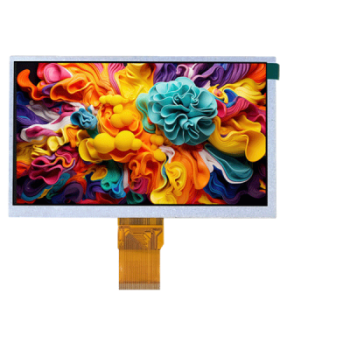
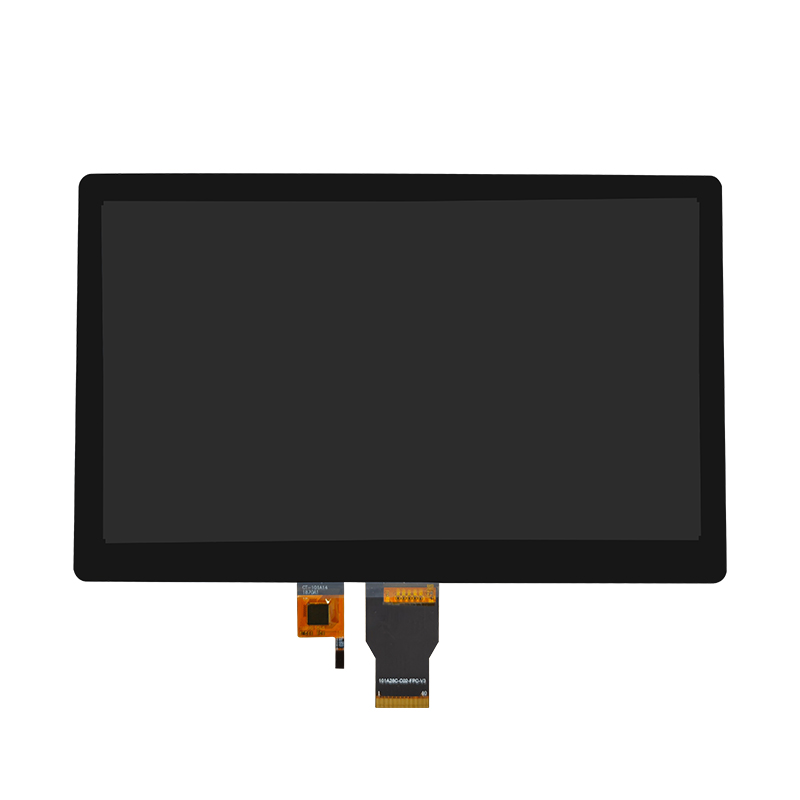
For reference, the 10.1-inch LCD display, 450 nits brightness, 1024×600 resolution, MIPI interface page lists size, resolution, interface, brightness, viewing angle, operating temperature, and storage temperature. A custom sample needs those core data plus project-specific mechanical and integration requirements.
With the baseline fixed, tooling decisions become much easier to control.
Tooling may involve cover-glass printing, custom cables or FPCs, housings, fixtures, or other dedicated parts. The practical question is which items are stable enough to release now.
If the enclosure opening, glass outline, connector position, or cable path may still change, do not freeze those parts too early. A standard-part or soft-tooled engineering sample can sometimes confirm fit before dedicated parts are ordered.
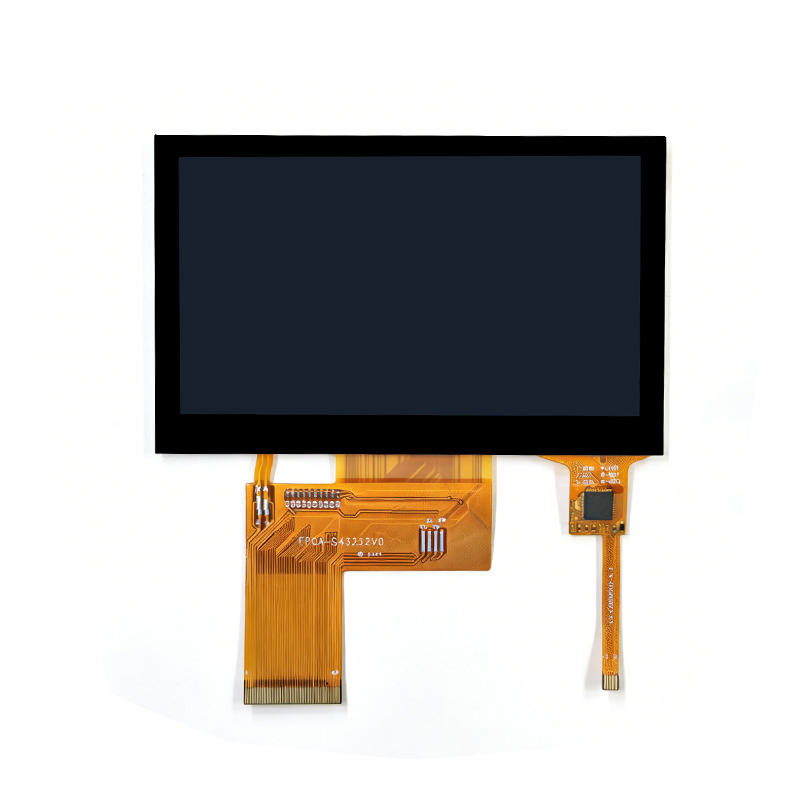
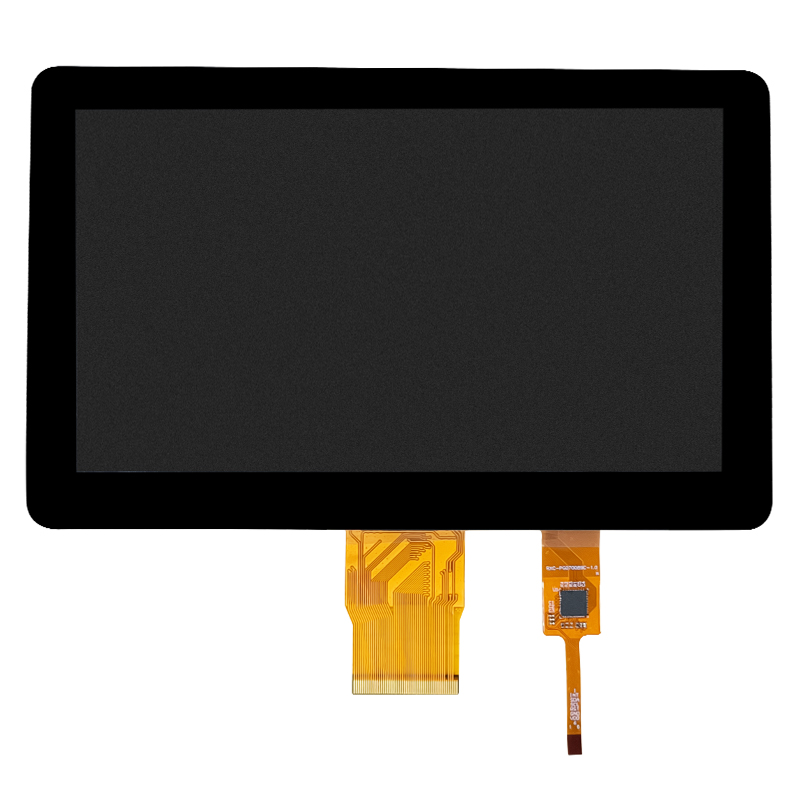
For projects that combine LCD, touch, cover glass, cables, and frame, the display-assembly scope should also define who owns each interface and drawing revision.
Check dimension callouts, tolerances, hole locations, black-mask opening, FPC bend area, connector keep-out zones, and adhesive overlap. A sample that looks correct on a desk may still conflict with the enclosure.
Any likely change should be recorded before release. Once the drawing and tooling boundary are clear, testing can focus on actual system performance.

Bench inspection is only the first layer. A useful test plan moves from incoming checks to system integration and then to the conditions the finished equipment will face.
Before installation, compare the sample with the approved drawing. Then verify startup, image stability, cable routing, connector access, touch response, viewing direction, and readability. The TFT LCD product range can help buyers compare available sizes, interfaces, and brightness levels before specifying additional customization.
| Check | Record | Reject When |
| Mechanical | Outline, thickness, opening, clearance | Interference or assembly stress |
| Display | Startup, timing, dimming, image stability | Flicker, no image, unstable backlight |
| Touch | Accuracy, edges, required glove/wet use | Missed or false touches |
| Optical | Viewing condition, reflection, uniformity | Poor readability or visible defects |
| Assembly | Cable bend, screw pressure, adhesive position | Stress, lifting, cable damage |
The enclosure can change pressure, heat, reflection, touch sensitivity, and cable strain. At least one sample should therefore be installed in a housing representative of production.
Backlight defects can also be process-related. The Backlight Case Analysis discusses foreign matter, cleaning, gaps, and assembly controls, which are relevant when a prototype shows bright spots or contamination not explained by the panel specification.
Record the result as pass, pass with deviation, or revise and resample. That decision should feed directly into the approval package.
Approving a photograph or an unmarked sample creates a traceability problem. Production needs a clear record of exactly what was accepted.
Identify the LCD model, approved drawing revision, touch and cover-glass construction, cable or FPC revision, connector, board version when used, bonding method, and cosmetic criteria. Record every accepted deviation and whether it is temporary or becomes part of the production requirement.
Silent exceptions are difficult to control after purchasing quantities increase.
A signed golden sample can help with appearance and assembly comparison, but it cannot replace measurable requirements. Samples age, collect scratches, and do not describe electrical or environmental limits.
Combine the physical reference with drawings, specifications, test records, and change-notification rules. This gives procurement and quality teams a usable reference when repeat orders begin.
Once approval is documented, the buyer can judge sample cost and schedule with much less ambiguity.

Prototype pricing is often higher than future unit pricing because engineering work and custom preparation are concentrated in a small quantity. Buyers should therefore ask what the sample fee covers.
Where practical, distinguish panel cost, touch or cover-glass preparation, tooling, custom cable or FPC work, driver-board work, bonding, assembly, testing, and freight. A standard TFT panel and a complete display assembly do not carry the same engineering scope, so their sample prices should not be compared as if they do.
An LCD may be in stock while glass, cables, boards, fixtures, or bonding work still set the schedule. Ask which item is on the critical path and which changes would restart it.
Before authorizing the next stage, confirm three points: what is frozen, what change would require new tooling or resampling, and which tests remain open. Those answers tell procurement more than a promised delivery date alone.
Dongguan SR Optoelectronics Technology Co., LTD. develops and manufactures small- and medium-size LCD modules, including monochrome LCM and TFT products, and supports standard and customized configurations. Its public company information lists a 3,200-square-meter factory and four automated production lines. For custom projects, buyers can use the sampling stage to review display selection, touch and cover-glass integration, cables, solution boards, assembly requirements, and production feasibility before final approval. A useful starting package includes the latest drawing, host-system information, operating conditions, expected quantity, and acceptance criteria. Final specifications, tooling scope, test conditions, sample quantity, and production schedule should be confirmed for each individual project.
A custom LCD display sample is valuable only when it reduces uncertainty before production. Freeze interfaces that can trigger redesign, release tooling in stages, test the module inside the real equipment, and approve a controlled package rather than a loose sample. Procurement should also separate engineering charges from repeat-unit cost and identify the longest-lead custom item. Before moving forward, send the supplier the latest drawing, host-interface details, application conditions, quantity plan, and acceptance criteria.
Order enough units to cover mechanical fit, electrical integration, optical review, touch testing, and at least one production-representative assembly. The exact quantity depends on project risk and any destructive or environmental tests.
Not always. Release tooling only for stable dimensions and features. If enclosure, glass, cable routing, or mounting details may change, ask whether a standard-part or soft-tooled sample can verify them first.
Confirm drawing revision, viewing condition, brightness setting, interface timing, protective films, cover-glass stack, and installation pressure. Then separate a true display defect from differences caused by optics, enclosure, or system setup.
No. A golden sample helps with visual and assembly comparison, but controlled drawings, specifications, test records, and accepted deviations provide the measurable reference required for repeat production and change control.
Approve production after critical mechanical, electrical, optical, touch, and assembly requirements pass agreed checks, deviations are documented, drawings are frozen, and both parties know which future changes require revalidation.